
Published Jul 24, 2026

Melina discovered her passion for helping animals during her childhood. After working as a nurse in the veterinary field, she became interested in feline behaviour, bodywork therapies, and energy medicine. Melina has extensive experience dealing with cat behavioural and training issues, and she is highly skilled in nursing and rehabilitating her clients’ beloved pets. She believes a holistic approach, considering both the pet and the guardian, is the best way to improve a pet’s health and overal…
View more
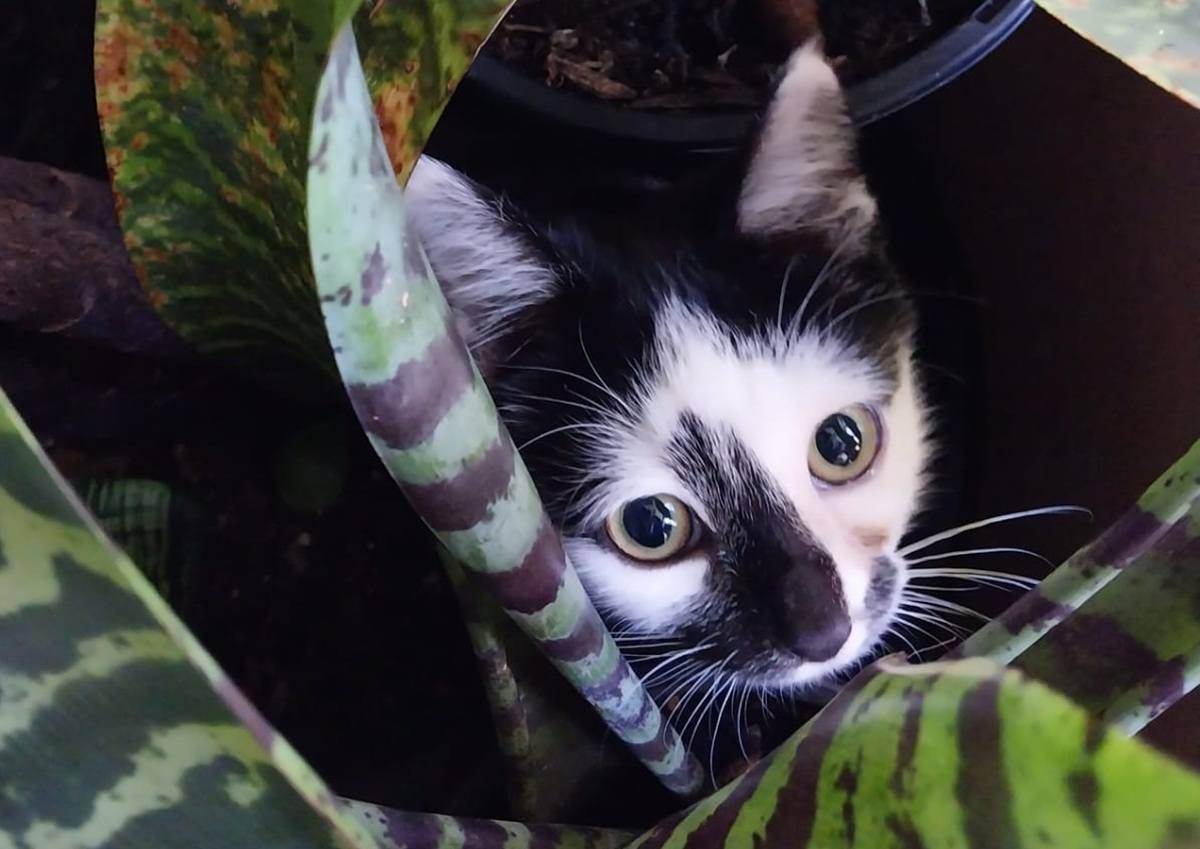
Melina Grin / Cats.com
If you have adopted a fearful cat from a shelter, rescued a scared stray, brought home a kitten that hasn’t been exposed to household sounds during the early socialization period, or have a purebred cat that feels anxious during thunderstorms, consider desensitizing your cat to these noises. This method can help reduce anxiety and promote a calmer life for your cat.
We have created a short guide to help introduce your pet to frightening sounds in a controlled, positive way. This technique, often used with counterconditioning, aims to shift your cat’s response from fear to indifference, or even help them associate the sound with a positive outcome.
Here Is a Step-By-Step Guide Based on Feline Behavioral Techniques:
Identification and Preparation
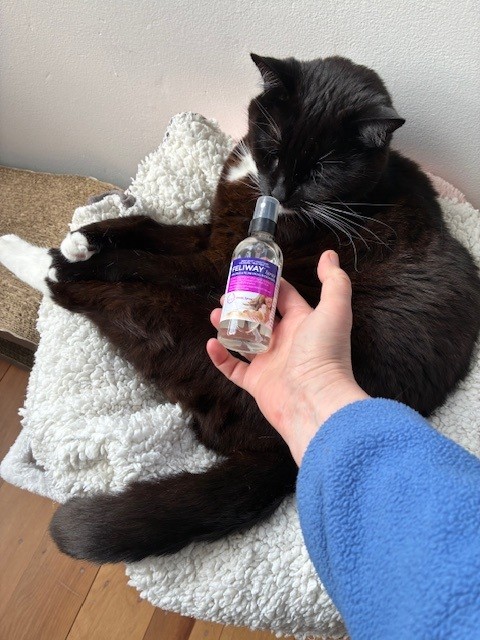
Synthetic pheromone diffusers or sprays, such as Feliway, may help reduce stress and promote a calmer environment for your cat. Melina Grin / Cats.com
The Desensitization Process: Step-By-Step Guide
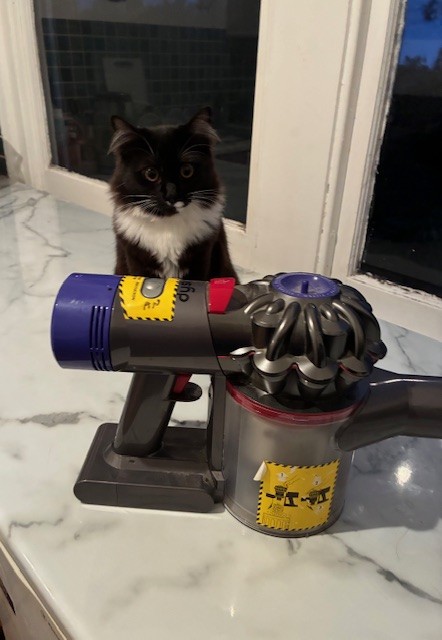
Help kittens get used to a vacuum by gradually introducing it and rewarding calm behavior with treats or praise. Melina Grin / Cats.com
Guidelines to Avoid
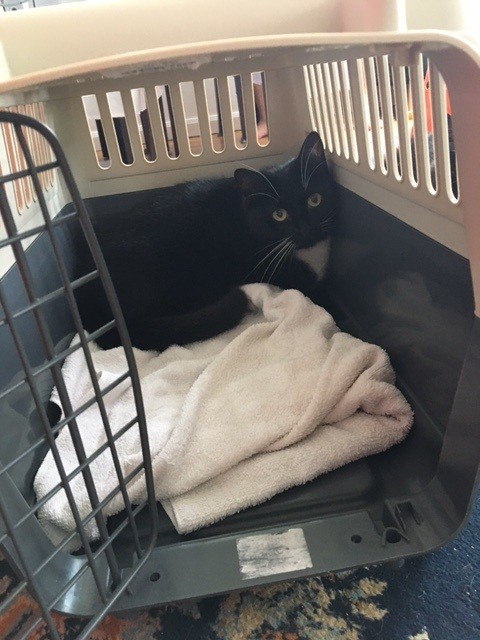
Never force your cat out of a hiding spot, as doing so can increase their fear and stress. Melina Grin / Cats.com
Important Considerations
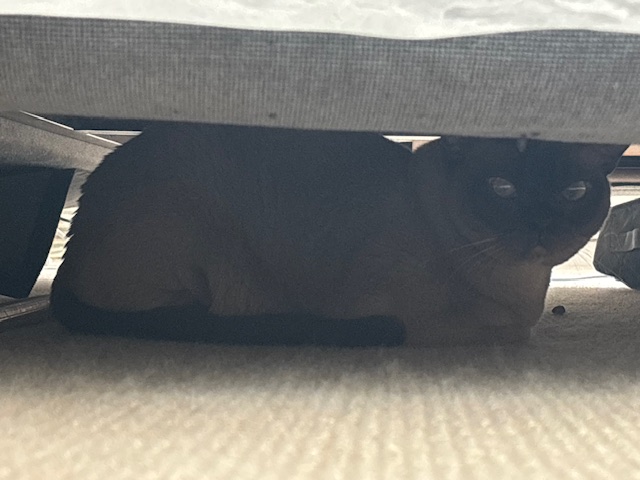
Provide quiet, safe, and easily accessible hiding places, such as under a bed or couch, where your cat can retreat when frightened by loud noises. Melina Grin / Cats.com
The desensitization process requires extreme patience and may take weeks or months, depending on the severity of the fear. If the fear is severe or leads to aggression, please get in touch with your vet or an animal behaviorist for further advice and support.
About Melina Grin
Melina discovered her passion for helping animals during her childhood. After working as a nurse in the veterinary field, she became interested in feline behaviour, bodywork therapies, and energy medicine. Melina has extensive experience dealing with cat behavioural and training issues, and she is highly skilled in nursing and rehabilitating her clients’ beloved pets. She believes a holistic approach, considering both the pet and the guardian, is the best way to improve a pet’s health and overall well-being. Melina is the proud founder and director of Pet Nurture, a Unique Mobile Animal Wellness Centre specializing in cats based in Sydney, Australia.
Connect with Melina Grin:


Get more Cat Health articles – straight to your inbox
Sign up and we’ll send you Cats.com articles about the all aspects of cat health to help you keep your fluffy treasure healthy.
Sign Up
Sign Up